
Nikon F2 Manual: A Comprehensive Guide
This detailed guide unlocks the Nikon F2’s potential, offering instructions for all users and emphasizing practice for mastering its controls and features․
Explore the camera’s capabilities through interactive guides, like those for the Z 6/Z 7, and ensure optimal performance with careful study of this manual․
The Nikon F2, a cornerstone of 35mm photography, represents a significant evolution in Nikon’s celebrated F series․ Released in 1971, it built upon the success of the original Nikon F, addressing user feedback and incorporating advanced features for its time․ This manual serves as a comprehensive resource for both novice and experienced photographers seeking to understand and utilize the full potential of this iconic camera․
Understanding the F2 requires dedication, as it’s a fully mechanical camera demanding a grasp of fundamental photographic principles․ Unlike modern automated cameras, the F2 encourages a hands-on approach, fostering a deeper connection between photographer and process․ Carefully studying these instructions and practicing with the controls is crucial before loading film․ Remember, film photography is a craft – there are no shortcuts, and learning from your results is key․
This guide will walk you through every aspect of the F2, from its controls and shooting modes to advanced features and maintenance․ Keep this manual readily available for reference as you embark on your photographic journey with this exceptional camera․
Historical Context and Significance
Launched in 1971, the Nikon F2 arrived during a pivotal moment in photographic history, bridging the gap between fully mechanical cameras and the emerging wave of electronically assisted models․ It followed the groundbreaking Nikon F, solidifying Nikon’s reputation for quality and innovation․ The F2 wasn’t merely an upgrade; it was a refinement, incorporating improvements based on extensive user feedback․
Its significance lies in its robust build quality, reliability, and the exceptional image quality it delivered․ The F2 became a favorite among professionals and serious amateurs alike, documenting significant events and artistic visions worldwide․ It represented a commitment to the craft of photography, demanding skill and understanding from its user․
The camera’s enduring appeal speaks to its timeless design and functionality․ Even today, photographers appreciate the F2’s tactile experience and the direct control it offers․ Studying its manual isn’t just about learning to operate a camera; it’s about connecting with a legacy of photographic excellence․
Key Features and Specifications
The Nikon F2 is a 35mm SLR camera renowned for its mechanical operation and durability․ It features a horizontally traveling focal-plane shutter with speeds ranging from 1 to 1/2000th of a second, plus Bulb (B) setting․ Interchangeable lenses via the Nikon F mount are a core feature, offering versatility․
The camera accepts various Photomic finders, providing through-the-lens (TTL) metering․ Standard with the F2 is a partially metered finder․ It supports film advance and rewind with both manual and motor drive options․ The F2 also includes features like image area limitation and a file numbering sequence․
Key specifications include a standard film format of 35mm, and compatibility with a wide range of Nikon F-mount lenses․ Its robust construction ensures long-term reliability, making it a favorite among film photography enthusiasts․ The camera’s design prioritizes user control and a direct shooting experience․
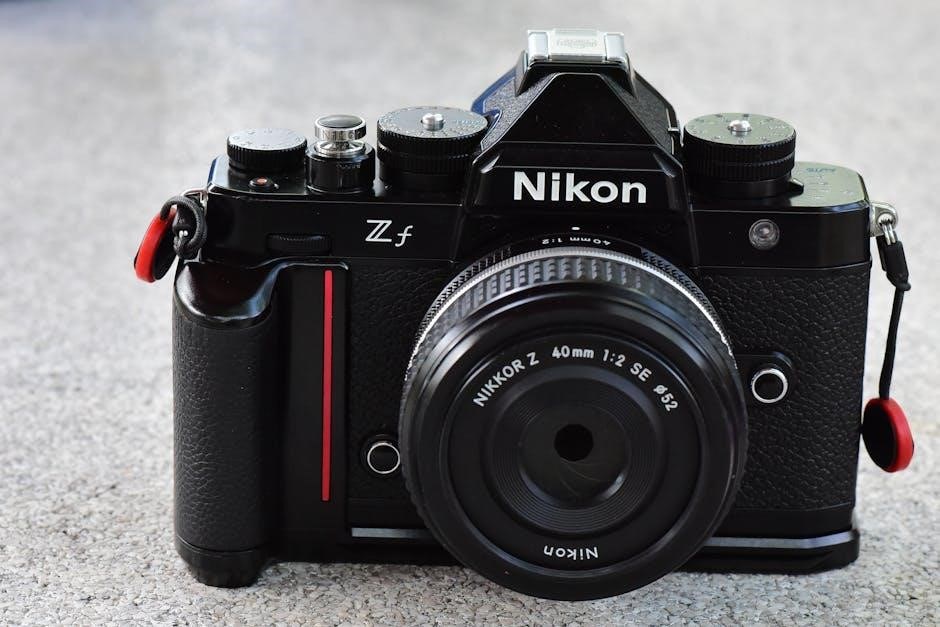
Understanding the Nikon F2 Controls
Mastering the Nikon F2 requires familiarity with its shutter speed dial, aperture control, film mechanisms, and focusing system—essential for optimal results․
Shutter Speed Dial and Operation
The Nikon F2’s shutter speed dial is a crucial control, dictating the duration of light exposure on the film․ Located on the top plate, it offers a range from 1 second to 1/2000th of a second, plus bulb (B) for extended exposures․
Carefully rotate the dial to select the desired speed, ensuring it clicks firmly into place․ The ‘M’ setting enables continuous shooting at high speed, while ‘S’ is for single exposures․ Remember that faster speeds freeze motion, while slower speeds allow more light and can create motion blur․
Understanding the relationship between shutter speed and aperture is key to achieving proper exposure․ Practice adjusting both controls to see how they affect the final image․ Always double-check the setting before pressing the shutter release to avoid unwanted results․
Proper operation of the shutter speed dial is fundamental to successful photography with the Nikon F2, allowing for creative control over motion and light․
Aperture Control and Depth of Field
The aperture, controlled by the lens’s aperture ring, regulates the amount of light entering the camera and significantly impacts depth of field – the area in focus․ Smaller f-numbers (e․g․, f/2․8) create a shallow depth of field, ideal for isolating subjects with blurred backgrounds․
Larger f-numbers (e․g․, f/16) yield a greater depth of field, keeping more of the scene sharp, suitable for landscapes․ The Nikon F2 requires manual aperture adjustment; there’s no automatic mode․
Understanding the f-stop scale is essential․ Each full stop (e․g․, f/2․8 to f/4) halves the amount of light reaching the film, requiring a corresponding adjustment to shutter speed for correct exposure․
Experiment with different apertures to master depth of field and achieve your desired creative effects․ Careful aperture control is vital for achieving well-exposed and visually compelling photographs with the F2․
Film Advance and Rewind Mechanisms
The Nikon F2 utilizes a manual film advance lever, requiring a full stroke after each exposure․ Smooth, consistent advancement is crucial for accurate frame spacing․ The lever also features a rewind check; ensure it’s engaged before attempting to rewind the film․
Film rewinding is also manual, accomplished via a rewind crank on the camera’s top plate․ Once the film leader is inside the take-up spool, begin shooting․ After the roll is finished, press the rewind release button and turn the crank in the direction indicated․
Rewind until you feel minimal resistance, indicating the film is fully back in the canister․ Avoid forcing the rewind crank, as this could damage the mechanism․ Proper film loading, advancing, and rewinding are fundamental to successful shooting with the F2․
Focusing System and Viewfinder
The Nikon F2 employs a split-image rangefinder focusing system within the viewfinder․ Aligning the two opposing images in the center of the split-image creates sharp focus․ Fine-tuning is achieved using the focusing ring on the lens․
The Photomic finder offers a center-weighted metering system, displaying exposure information within the viewfinder․ This aids in achieving correct exposure, though understanding the system’s nuances is key․ The viewfinder also provides a bright, clear view of the scene․
Practice focusing with different lenses and in varying lighting conditions to become proficient․ Accurate focusing is paramount for image quality, and mastering the F2’s focusing system is essential for consistent results․

Using the Nikon F2: Shooting Modes & Settings
The Nikon F2 offers Single (S) and Continuous (M) shooting modes, alongside a self-timer․ Utilize the Photomic finder for accurate exposure metering and optimal results․
Single Shooting Mode (S)
In Single Shooting Mode (designated as ‘S’ on the dial), the Nikon F2 operates with a traditional, deliberate approach to photography․ Each press of the shutter release captures a single frame, providing full control over timing and composition․ This mode is ideal for static subjects, portraits, or any situation where precise moment capture is paramount․
To utilize Single Shooting Mode, ensure the shutter speed dial is set to ‘S’․ The camera will then await the photographer’s intentional action․ This contrasts with the continuous mode, offering a more thoughtful and measured photographic experience․ Remember to carefully consider your exposure settings, as each shot is independent and requires individual attention․
Mastering this mode is fundamental to understanding the core principles of photography with the Nikon F2․ It encourages a deliberate workflow, fostering a deeper connection between the photographer and the subject, ultimately leading to more impactful and considered images․ Practice makes perfect!
Continuous Shooting Mode (M) ― High Speed
The Nikon F2’s Continuous Shooting Mode, marked as ‘M’ on the shutter speed dial, unlocks a rapid-fire capability, perfect for capturing action sequences or fleeting moments․ This mode allows for multiple exposures with each full press of the shutter release, as long as the film advances․ It’s crucial to understand that the speed of continuous shooting is directly linked to the film advance mechanism․
To engage this mode, set the dial to ‘M’ and ensure the film advance lever is operated smoothly and consistently․ The camera will continue to capture frames until the shutter release is lifted or the film runs out․ This mode demands careful consideration of film usage, as a sequence can quickly consume a significant portion of a roll․
Utilize ‘M’ mode for sports, wildlife, or any dynamic scene where capturing a series of images increases the chance of getting the perfect shot․ Remember to practice and become familiar with the camera’s responsiveness in this mode․
Self-Timer Function
The Nikon F2 incorporates a self-timer mechanism, enabling delayed shutter release for self-portraits or situations requiring the photographer to be within the frame․ Activation is achieved via a lever located on the front of the camera, typically near the shutter button․ Engaging the lever initiates a countdown, usually around 10 seconds, before the shutter is triggered․
After activating the self-timer, the lever will remain engaged, and a small indicator light will illuminate, signaling the countdown․ During this period, the photographer has time to position themselves and prepare for the shot․ Once the countdown concludes, the shutter will release automatically․
This function is invaluable for group photos where the photographer wants to participate, or for scenarios demanding a steady camera setup․ Remember to use a stable surface and avoid any movement during the countdown to ensure a sharp image․
Exposure Metering and Photomic Finder
The Nikon F2’s Photomic finder offers through-the-lens (TTL) exposure metering, a significant advancement for its time․ This system accurately measures light reflected from the subject, providing precise exposure recommendations․ The finder displays a needle indicating over or underexposure, allowing photographers to adjust aperture and shutter speed accordingly․
To utilize the metering system, partially depress the shutter button to activate the meter․ Observe the needle within the viewfinder; centering it indicates correct exposure․ The Photomic finder requires batteries to operate, and a low battery warning will appear in the viewfinder when replacement is needed․
Understanding the relationship between aperture, shutter speed, and the Photomic’s readings is crucial for achieving well-exposed photographs․ Practice and familiarity with the system will unlock the F2’s full potential․

Advanced Features and Customization
The Nikon F2 offers diverse customization, including image area limitation, file numbering sequences, and display options for enhanced control and personalized shooting experiences․
Image Area Limitation
The Nikon F2 provides a valuable feature: image area limitation․ This allows photographers to selectively mask portions of the viewfinder, effectively cropping the image before it’s captured on film․ This is incredibly useful for composing shots with specific aspect ratios, or for intentionally creating borders within the frame․
Utilizing this function doesn’t physically cut into the negative; it simply restricts the light reaching the film plane․ This means you can experiment with different compositions without wasting film on test shots․ It’s a fantastic tool for creative control and achieving unique visual effects․
Accessing the image area limitation involves utilizing the levers and settings within the camera body․ Refer to the detailed diagrams in the service manual for precise instructions on how to adjust the masking plates to achieve your desired cropping․ Mastering this feature expands the artistic possibilities of the Nikon F2․
File Numbering Sequence
While the Nikon F2 is a fully mechanical, film-based camera, the concept of a “file numbering sequence” relates to how the camera advances and records the frame numbers on the film itself․ Understanding this is crucial for organization and later identification of your photographs․
The F2 automatically advances the film and increments the frame counter with each exposure․ This counter displays the current frame number in the viewfinder, allowing you to keep track of how much film remains․ Resetting the counter is essential when loading a new roll․
Proper resetting ensures the numbering begins correctly, typically at ‘S’ (Start) and then progresses sequentially․ Incorrect resetting can lead to confusion when developing and printing your images․ Consult the Nikon F2 service manual for detailed instructions on resetting the frame counter accurately before each new roll of film․
Live View (Lv) Mode ⸺ Display Options
It’s important to note that the Nikon F2, being a classic mechanical camera, does not have a Live View (Lv) mode as found on modern digital Nikon cameras․ The term “Lv” appears in some documentation referencing newer Nikon models and their customization options, but it’s irrelevant to the F2’s functionality․
The F2 relies entirely on the optical viewfinder for composing and reviewing images․ There is no LCD screen or electronic display to show a live preview of the scene․ Therefore, there are no “display options” to configure within a Live View mode․
The reference to Lv mode likely stems from cross-referencing with interactive guides for cameras like the Z 6 and Z 7, used for illustrative purposes within the Nikon F2 manual․ These guides demonstrate modern features not present on the F2․
Starry Sky (Photo Ur․) Mode
Similar to Live View, the Nikon F2 does not feature a dedicated “Starry Sky (Photo Ur․)” mode․ This function is a modern addition found in contemporary Nikon cameras designed for astrophotography, enabling long exposures and optimized settings for capturing celestial objects․
The F2, as a fully mechanical camera, requires manual control over all settings, including shutter speed, aperture, and focusing․ Astrophotography with the F2 is entirely dependent on the photographer’s skill and knowledge of exposure techniques;
Achieving similar results to a “Starry Sky” mode necessitates using a tripod, a long lens, a wide aperture, and a slow shutter speed․ Precise focusing is crucial, often requiring techniques like hyperfocal distance calculation․ The mention of “Photo Ur․” likely appears due to cross-referencing with newer Nikon manuals for comparative purposes․
Display Color Temperature (Warm Colors)
The Nikon F2, being a fully mechanical film camera, does not have a digital display or color temperature settings․ The concept of adjusting display warmth is exclusive to cameras with LCD screens, a feature absent in the F2’s design․
Color temperature is determined by the film stock used․ Different films render colors differently, offering varying degrees of warmth or coolness․ Photographers using the F2 select film based on their desired aesthetic, influencing the final image’s color balance․
The reference to “Warm Colors” likely stems from comparisons with modern Nikon cameras where this setting adjusts the LCD screen’s tint․ For the F2, achieving warmer tones requires using warm-toned film or employing filters during shooting, and adjusting during the developing process․
LCD Backlight Adjustment
The Nikon F2 is a fully mechanical camera and, as such, does not feature an LCD screen or any backlight adjustment capabilities․ This function is a modern convenience found in digital cameras, allowing for visibility in low-light conditions․

The F2 relies entirely on its mechanical viewfinder and dials for operation․ Brightness within the viewfinder is determined by ambient light and the aperture setting․ There are no electronic components to adjust for illumination․
References to LCD backlight adjustment likely originate from comparisons with contemporary Nikon models․ When consulting resources like the Nikon Manual Viewer 2, be mindful that features described for newer cameras are not applicable to the F2’s analog design․
Continuous Review Mode

The Nikon F2, being a fully mechanical, film-based camera, does not possess a “Continuous Review Mode” function․ This feature, common in digital photography, allows for immediate playback of captured images after each shot․
With the F2, image review is only possible after the film has been developed․ The photographer must wait for the processing of the film to see the results of their exposures․
The concept of instant review is absent in analog photography workflows․ References to continuous review likely stem from comparisons with modern Nikon cameras and their digital capabilities․
Focus on mastering the fundamentals of exposure and composition, as feedback is delayed until the film is developed, emphasizing careful shooting practices․

Maintenance and Troubleshooting
Regular camera care and cleaning are vital for longevity․ Utilize service manual resources and the Nikon Manual Viewer 2 application for assistance․
Address common issues promptly to maintain optimal performance and ensure continued enjoyment of your classic Nikon F2․
Nikon F2 Service Manual Resources
Accessing comprehensive service documentation is crucial for in-depth repairs and understanding the intricate mechanics of the Nikon F2․ Several resources cater to enthusiasts and technicians alike, offering detailed schematics, parts lists, and step-by-step disassembly/assembly instructions․
Dedicated online archives often host scanned copies of original Nikon F2 service manuals, providing invaluable insights into the camera’s construction․ These manuals detail procedures for calibrating the shutter, adjusting the viewfinder, and troubleshooting common malfunctions․ Furthermore, exploring repair forums and communities can connect you with experienced individuals willing to share their knowledge and expertise․

Consider purchasing a dedicated Nikon F2 service manual for a physical copy, ensuring convenient access even without an internet connection․ Websites specializing in vintage camera documentation frequently offer these manuals for sale․ Remember to prioritize authentic resources to guarantee accuracy and avoid potential damage during repairs․ The Nikon DP11 Repair Manual is also available for related components․
Camera Care and Cleaning
Maintaining your Nikon F2 is paramount for preserving its functionality and longevity․ Regular cleaning prevents dust and debris from interfering with delicate mechanisms․ Gently brush the body with a soft cloth to remove loose particles, paying attention to the film compartment and viewfinder window․
Avoid using harsh chemicals or solvents, as these can damage the camera’s finish and internal components․ A slightly dampened cloth is sufficient for cleaning the exterior surfaces․ For the lens, utilize dedicated lens cleaning solutions and microfiber cloths, employing circular motions to avoid streaks․
Proper storage is also essential․ When not in use, store the Nikon F2 in a dry, dust-free environment, ideally within a camera bag or case․ Regularly exercise the shutter and film advance to prevent parts from seizing․ Remember, consistent care ensures years of reliable performance․
Common Issues and Solutions
Nikon F2 users may encounter a few recurring issues․ A sticky shutter can often be resolved with careful cleaning and light lubrication – avoid over-oiling․ If the film advance is stiff, inspect for debris in the mechanism and gently clean it․ Light leaks can occur due to deteriorated light seals; replacement is recommended․
Metering inaccuracies might arise from aging Photomic cells․ While calibration is possible, it often requires professional service․ If the viewfinder is dim, ensure the eyepiece is clean․ For more complex problems, consult the Nikon F2 service manual or seek assistance from a qualified camera repair technician․
Remember, attempting repairs without proper knowledge can cause further damage․ Prioritize preventative maintenance and address issues promptly to maintain optimal camera function․
Nikon Manual Viewer 2 Application
The Nikon Manual Viewer 2 application provides a convenient digital resource for accessing your Nikon F2’s documentation․ This application allows users to view manuals anytime, anywhere, directly on their smartphones or tablets․ It eliminates the need to carry a physical copy, offering instant access to crucial information․
Through this application, you can easily navigate the comprehensive instructions covering all aspects of the Nikon F2’s operation․ It’s a valuable tool for both new and experienced users seeking quick answers or detailed explanations․ The application streamlines the learning process and enhances the overall user experience․
Download Nikon Manual Viewer 2 to unlock a world of knowledge at your fingertips, ensuring you can fully utilize your classic Nikon F2 camera․

Resources and Further Learning
Expand your knowledge with interactive guides, like those for the Z 6/Z 7, and the Nikon Manual Viewer 2 application for detailed instructions․
Interactive Guides (Z 6/Z 7 as Reference)
While the Nikon F2 predates modern digital interfaces, leveraging interactive guides designed for cameras like the Z 6 and Z 7 can surprisingly enhance understanding․
These contemporary resources often visually demonstrate core photographic principles – aperture, shutter speed, exposure compensation – that remain fundamentally consistent across all Nikon cameras, including the F2․
Consider the Z 6/Z 7 guides as a supplementary tool to visualize how settings impact image results, then apply that knowledge to the F2’s mechanical controls․
Focus on sections explaining exposure metering, depth of field, and focusing techniques; these concepts translate directly to the F2’s operation․
Remember to adapt the digital examples to the F2’s film-based workflow and manual operation, but the underlying principles will prove invaluable․